The Problem That Calls You at Midnight
The brief arrives crooked, like a shadow at a door: a client needs a curved billboard that breathes, a costume-lit stage, a facade that wraps a building's cheek. They want light that bends without breaking. The problem is simple and savage — how to turn delicate pixels into something pliant, reliable, and repeatable. When installations fail—dead modules, delamination, mismatched color across a curve—the blame piles on everyone. You start by naming the failure: mechanical stress, thermal drift, poor sealing, or an unknown design decision that no one owned. Somewhere between concept and handoff the intent fractures.
Why It Breaks: The Root Faults
Flexible assemblies shoulder stresses rigid boards never meet. Stretch the substrate a touch past its bending radius and solder joints crack. Use the wrong adhesive and moisture creeps under the diodes. Overlook heat paths and you get thermal runaway under a tight wrap. These aren't abstract faults; they're predictable when you map materials to loads. I’ve seen dozens of retail installs where a curved display failed because the mechanical engineer treated the LED module like a flat panel. The real complaint is never "LED," it's "mismatch" — between materials, between expectations and constraints, and between vendors who speak different technical dialects.
Design Decisions That Save Nightmares
Start by choosing the right substrate and pixel pitch for the curvature and viewing distance. Decide the bending axis, the minimum bending radius, and lock them to the mechanical design. Specify thermal vias, copper planes, or flexible heat spreaders early. Pick connectors that tolerate repeated flex and name a single point of responsibility for sealing strategy. Test prototypes under realistic stress: humidity, temperature cycling, vibration. When you commit to a component — driver IC, adhesive, encapsulant — hold it to lifecycle tests, not just a spec sheet. The few hours designing with those constraints pay in months saved during commissioning.
Prototyping, Trials, and the One Place You’ll See the Future
Build for testability. Create break-out sections that let you inspect solder joints and run thermal probes. Use variable fixtures to simulate the final curvature. Show a mockup under real lighting conditions; a display that looks right in a lab can read dead in daylight. Many teams learn this the hard way at trade events: vendors debuting flexible displays on the EuroShop show floor revealed a pattern — early reels looked brilliant, but fatigue surfaced after sustained demos. Those demonstrations forced the industry to re-evaluate materials and assembly methods. At one such event, the uptake of more robust flex adhesives and reinforced connector housings changed procurement conversations industry-wide, and you can trace that change through installations showcased there. This kind of shared field evidence is why designers now ask for proven stress tests before sign-off. Also note practical options: for highly contoured sculptures choose a smaller pixel pitch and modular panels; for large façades prefer tiling with engineered seams. And when you research modules, inspect offerings for bend radius specs and supplier test reports.
Common Pitfalls and How to Avoid Them
Don’t overcomplicate power distribution on flexible runs; voltage drop silently kills uniformity. Don’t assume IP67 on paper equals real-world sealing — laboratory ingress tests differ from wind-driven rain at a rooftop edge. Avoid using custom firmware late in the schedule; bring firmware to the table with mechanical prototypes. Mistakes repeat when teams split responsibilities: mechanical, electrical, and software must share a living bill of materials and a single versioned assembly drawing. Field technicians need clear repairable nodes; if every module is permanently bonded, on-site fixes become impossible and costly.
Alternatives, Trade-Offs, and When to Choose Them
If you need extreme curvature at near-eye distances, microLED or OLED-based flexible approaches can win on thinness and contrast, but they cost and demand tighter thermal control. Conventional rigid LED tiles are cheaper and simpler when curvature is mild — you can approximate arcs with small flat facets and avoid many risks. Evaluate on three axes: visual fidelity, longevity under expected environmental loads, and maintainability. Prioritize maintainability for public-facing work; replaceable modules save reputations.
 Credentials, Tests, and Trustworthy Standards
Years of fieldwork teach that trustable deployments rest on measurable proof: lifecycle cycles to a chosen bending radius, thermal cycling to expected ambient plus operating heat, ingress testing for the installation environment, and documented repair procedures. Insist on these tests from suppliers and require traceability for batches of LEDs and adhesives. Treat supplier data sheets as starting points; demand sample testing. That discipline separates speculative prototypes from equipment built to serve a venue for years.
Delivery, Handover, and the Quiet Work After the Lights Rise
Handover is not a ceremony; it's a transfer of obligations. Provide site-adjusted calibration, spare modules, installation jigs, and a simple maintenance plan. Train the crew who will change modules under deadline pressure. Specify firmware rollback points so a field update doesn’t strand the show. When the client can replace a module and restore color balance in an hour, they've bought resilience, not just spectacle.
Final Weighing — What to Choose and Where HDC Fits
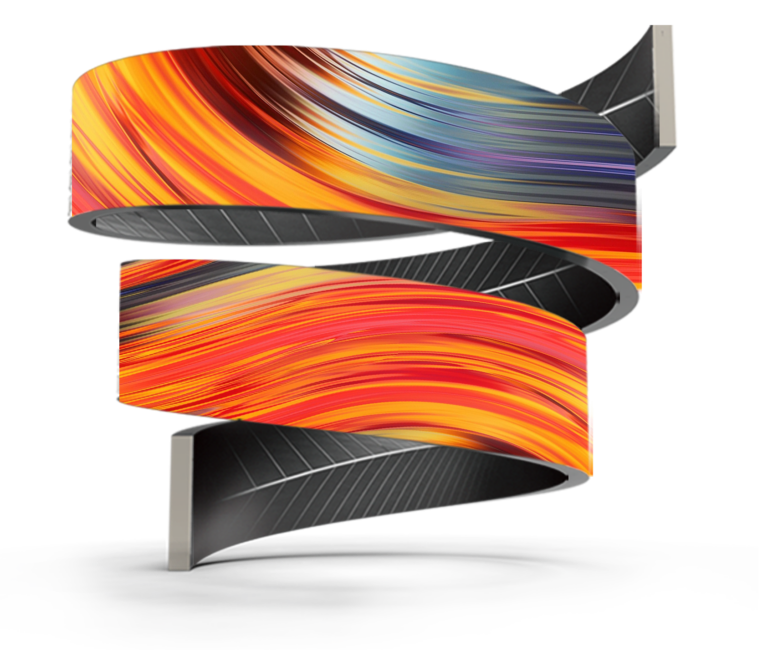
The solution isn't magical. Address the root stresses, instrument prototypes, and pick materials that match the job. Where a flexible solution truly fits the brief, a properly tested led flexible soft screen ends the argument between desire and feasibility. For projects that demand a living surface — facade, stage, or wearable art — measured decisions and supplier transparency deliver the promise. Experience tells you which choices survive a season of weather and hard use; reputable partners supply the tests and spare parts that make installations trustworthy. Those are the facts that move a project from a midnight problem to morning light, and that is the quiet value HDC brings to the table.