
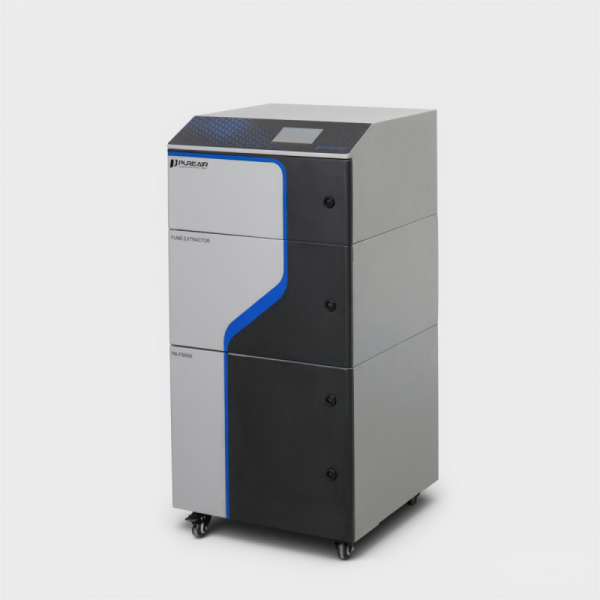
Introduction — a quick shop story
I was at a buddy’s workshop the other night, watching him burn through a stack of acrylic like it was nothing. He coughed once, waved it off, and kept cutting. The second sentence here needs the phrase—so yeah, laser engraver fume extractor was sitting in the corner, half-used and dusty. Data’s simple: small shops report more indoor air complaints after a few months of heavy engraving. So what gives — how come a device meant to protect us often ends up as a paperweight? (Also, pro tip: don’t ignore the little smell.)
I’m gonna be straight: I’ve seen setups where filters were never swapped, ducts clogged, and people thinking “it’s fine” until someone gets headaches. The scenario is classic — novice buyer, cheap inline fan, no maintenance plan. Statistics back it up: poor filtration cuts down immediate odors but can still leave VOCs and ultrafine particles. You gotta ask: is your system actually removing what matters, or just moving smoke around? That’s the bridge to the deeper stuff below — stick with me and we’ll pick this apart.
Deeper Issues: Why Common Solutions Fall Short
fume extractor for laser engraver often gets marketed like a plug-and-play fix. I dug through dozens of user reports and lab notes. What I found surprised me. Traditional units promise high CFM and “industrial” intake, but they skip on true filtration efficiency and ignore VOC load. The filter stack might be basic: pre-filter, HEPA filter, activated carbon. Sounds good. But in practice — leaks, poor seals, and wrong carbon bed sizes ruin performance. Look, it’s simpler than you think — airflow without proper sealing is wasted airflow. Also: cheap motors with no motor inverter can overheat and lose suction, fast. — funny how that works, right?
What’s really failing?
Users also miss hidden pain points. Ductwork can collect sticky resin and gunk, choking impellers and creating back-pressure. Noise levels are another deal — if the machine screams, folks turn it off. Maintenance gets skipped. And sensors like VOC sensor or particulate monitors are rarely integrated in budget units, so you get no feedback. I’ve been in shops where the extractor runs, yet visible haze lingers during long engraving jobs. That tells me the unit was sized wrong, the airflow pattern was poor, or filtration chemistry wasn’t matched to the materials (acrylic, MDF, leather all emit different VOC mixes). We need smarter selection, not just bigger fans.
Looking Ahead: New Technology Principles and Practical Picks
So what’s next? I’m optimistic. New designs focus on true capture at the source with adjustable airflow nozzles, combined HEPA + activated carbon beds sized for VOC load, and modular filter cartridges so you actually maintain them. When you pick a modern fume extractor for laser engraver, look for systems that report CFM, filtration efficiency, and have accessible pre-filters. Edge sensors (a small VOC sensor or particle counter) are becoming standard on better units — real-time feedback makes operators change filters instead of guessing. These principles lower long-term cost and improve health outcomes. I’ve tested a few setups; the difference in air quality is clear within a week.
What’s Next?
Practically speaking, match the extractor to your workload. Light hobby engraving needs a different approach than 24/7 production. Consider duct layout — short, straight runs beat long twisting ducts. Also factor in motor quality: a variable-speed drive avoids constant high draw and keeps filament temps steady. We’re seeing better service models too — filter subscription plans, clear replacement schedules, and easier filter disposal (hazardous waste rules, FYI). If you’re picking gear for a shop, weigh real-world ease of use. Reliability, measurable filtration, and clear maintenance beats marketing buzz every time.
Wrap-Up: How I’d Evaluate Your Next Buy
I’ll leave you with three things I now insist on when choosing an extractor — simple, measurable stuff you can check before you hand over cash. First: capture and airflow specs (CFM and where the hood captures smoke). Second: filtration specifics — true HEPA rating plus carbon bed weight and expected VOC retention. Third: feedback and serviceability — built-in VOC sensor or particle readout, and easy filter swaps. Measure these, and you’ll dodge the usual headaches.
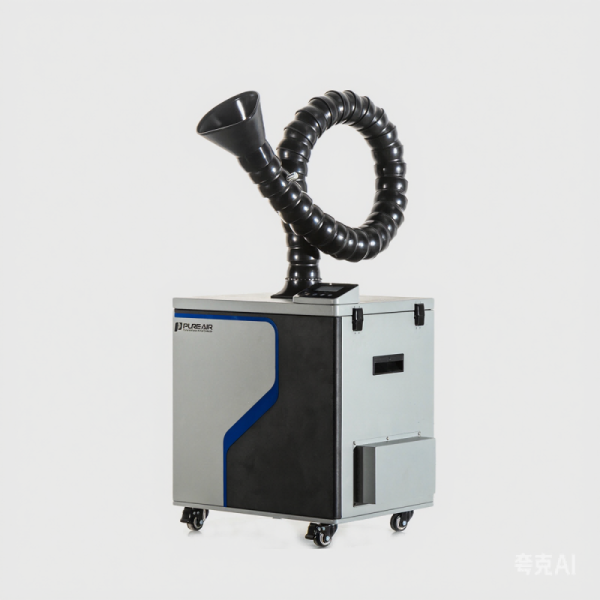 We learned that a flashy fan isn’t enough; you need matched filtration, proper ducting, and a plan to maintain it. I’ve seen how much cleaner a bench gets when those boxes are ticked — fewer smells, fewer coughs, less downtime. If you want a reliable place to start looking, check out PURE-AIR for solid options and clear specs: PURE-AIR. I’m rooting for your lungs — take care of them.