Designing a Practical Garden Space
Creating a practical garden starts with clear goals that fit your lifestyle and climate. Begin by mapping sun exposure, soil type, and water availability to choose plants that thrive locally, reducing maintenance while boosting curb appeal. A balanced mix of perennials and seasonal blooms ensures ongoing color without constant replanting, while durable containers streamline care and keep pathways tidy. For busy households, a smart approach includes mulching to suppress weeds and preserve soil moisture, helping you enjoy the space more than you toil in it. automatic lawn mower can be a game changer for small lawns, providing steady grass height with minimal effort.
To ground the ideas visually, sketch a simple layout that zones dining, lounging, and growing areas. Use durable, weather-resistant materials like cedar or composite decking for longevity, and select garden lighting that extends usability after sunset. Prioritize accessibility by placing seating and planters at comfortable heights, and integrate vertical planters to maximize small spaces. Thoughtful zoning supports efficient maintenance and elevates everyday living outdoors.
Low-Muss, High-Impact Landscaping
Low-maintenance landscaping combines drought-tolerant plants, smart irrigation, and textured ground covers to create a sophisticated look with little effort. Choose a core palette of greens with pops of seasonal color from hardy shrubs and native grasses, then add evergreen structure for year-round interest. A drip irrigation system paired with a rain sensor minimizes water waste and keeps plant roots healthy, which translates into fewer failed specimens and more time for other home improvements. This approach aligns with home improvement trends that favor sustainable, long-lasting results.
Texture becomes the secret weapon when you layer plant heights, colors, and materials. Pair soft, feathery grasses with architectural evergreens and a few sculptural accents like a weatherproof sculpture or a standing trellis. Ground covers such as creeping thyme or sedum provide color in low-traffic areas and reduce maintenance by suppressing weeds. The overall effect is a polished, hotel-like outdoor space that still feels intimate and usable every season.
Seasonal Color Without Overwhelm
Seasonal color can refresh a garden without demanding constant attention if you choose reliable bloomers and strategic planting times. Start with a backbone of long-lasting perennials like echinacea, rudbeckia, and daylilies, then tuck in annuals for bursts of color at peak times. Rotate small plantings each year to keep the landscape lively without a full redesign, and use mulch to retain moisture and reduce weed competition. A keen eye for scale ensures your color reads well from indoors, reinforcing that interior view outwards.
Use color to guide the eye toward focal points such as a garden statue, water feature, or seating area. A consistent color cue across furniture cushions, planter pots, and decorative accessories unifies the space and makes maintenance simpler, as you’ll know where to rotate or replace accents. Regular pruning and deadheading keep blooms vibrant and prevent leggy growth that can crowd pathways and seating zones.
Garden Decor That Lasts
Durable garden decor blends form and function, adding personality without demanding constant upkeep. Invest in weatherproof planters, sturdy outdoor rugs, and steel or powder-coated metal accents that resist rust and fading. Integrate decorative elements with practical use, such as a stylish trellis that doubles as a support for climbing plants or a bench with built-in storage for tools. The goal is decor that tells a story while still supporting comfortable, everyday use in the space.
Lighting is a key decor element that extends usability and mood after dark. Choose warm-toned LEDs for pathways and seating areas, and consider solar-powered fixtures to reduce energy use. Decorative lanterns, string lights, and discreet spotlights can highlight plant textures and architectural features, creating a welcoming retreat that feels coordinated with interior design and overall home decor goals.
Indoor-Outdoor Flow for a Cohesive Home
Connecting indoor living with outdoor spaces makes your home feel larger and more integrated. Use similar materials, colors, and textures across threshold areas to create a seamless transition; for example, a timber deck continuation from the living room or a rug that mirrors indoor textiles can unify spaces. If you have a kitchen garden or herbs near a back door, you’ll naturally incorporate fresh ingredients into meals, reinforcing the home improvement mindset that nature and cooking belong together.
Incorporate seating arrangements that invite conversation and offer shade during sunny afternoons. Consider a covered patio that protects seating from rain while maintaining openness to the garden. A foldaway dining table or portable chairs can adapt to casual gatherings or more formal outdoor meals, supporting flexible use of the space without sacrificing style.
Smart Planting for Small Spaces
Small-space gardening rewards careful plant selection and clever vertical solutions. Use hanging baskets, wall-mounted planters, and trellises to maximize growing area without increasing footprint. Choose compact cultivars and dwarf varieties that suit container life and allow you to rotate crops with the seasons. A grid layout, even in a tiny plot, helps manage irrigation and feeding schedules, reducing fatigue and boosting success rates for novice and seasoned gardeners alike.
Consider edible options as part of your decor to add function and flavor. Herbs like basil, thyme, and mint thrive in pots on balconies or sunlit patios, while compact fruiting plants such as blueberries or dwarf tomatoes can be tucked into corners with minimal care. With a little planning, your small garden becomes a high-value extension of the home, delivering fresh ingredients and visual joy throughout the year.
Maintenance Mindset for Everyday Joy
Adopting a maintenance mindset means scheduling simple, repeatable tasks that preserve beauty with minimal effort. Create a monthly checklist for pruning, weeding, and soil amendment, and use a color-coded calendar to stay on track. For many homeowners, automating routine chores—like irrigation or a mowing schedule—frees up time for family activities and hobby projects, reinforcing that gardening can be a source of relaxation rather than stress.
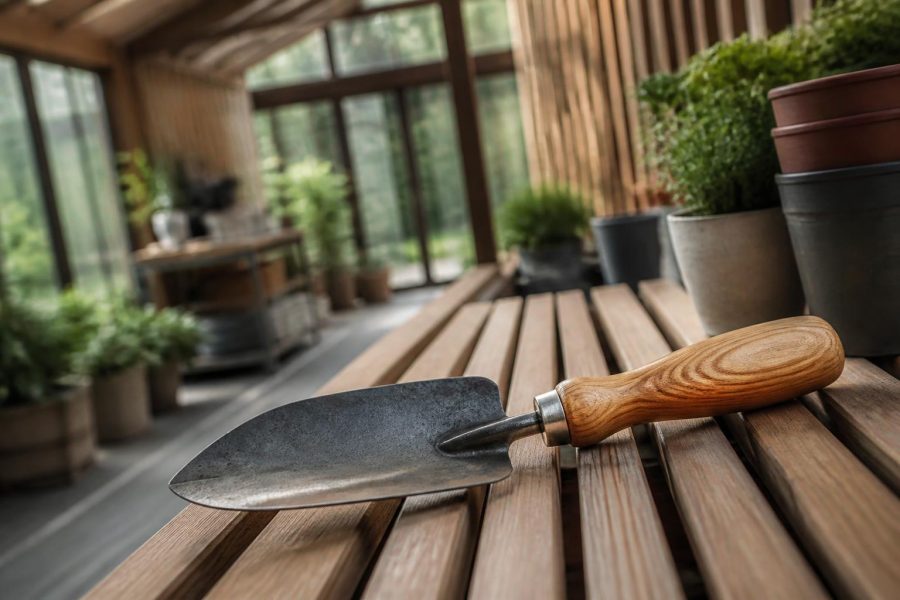
Incorporate a small workspace or storage area where tools, seed packets, and fertilizers are organized. A tidy shed with labeled bins and a dedicated potting station reduces the mental load of yard work and makes ongoing tasks feel more manageable. By keeping essentials accessible, you’ll spend more time enjoying the garden and less time searching for equipment.