Where you’re starting from
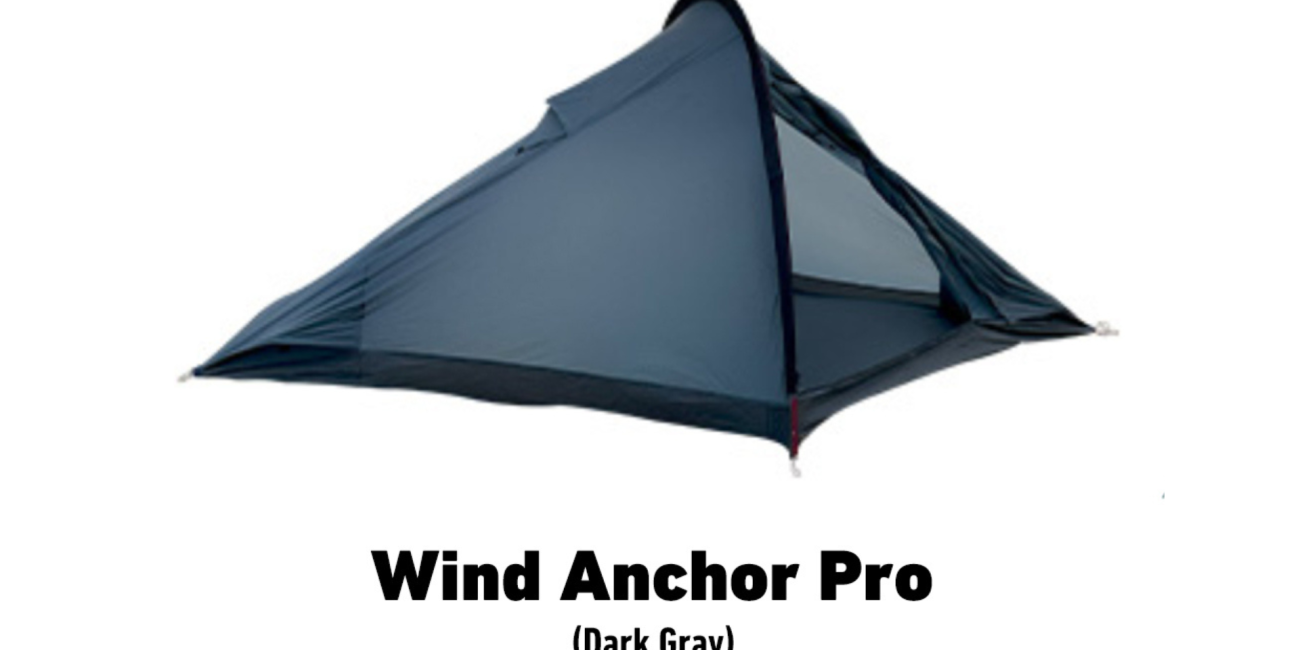
Right then—what you drive and where you pitch matter more than brand noise. Tell me you’ve got a hatchback, SUV, van or a roof-rack and I’ll tell you which kit’ll be worth lugging. If you like a bit of shelter to front your camp—say a place to stash boots or make tea—look first at a tent with front porch that fits your vehicle’s footprint. Start by naming the vehicle, the campsite roughness and how keen you are on speed vs comfort; that’ll sort the sensible choices sharpish.
Pick by vehicle — quick rules
Hatchback or small car: go for a compact tailgate annex or a low-profile ground tent with a vestibule. They pack small, clip to the boot line or sit right behind, and won’t tip your car’s weight limits. SUV and crossovers: you can stretch to a drive-away awning that clamps to the rear or side; it gives proper standing room and makes cooking sheltered easy. Campervans and small vans: a drive-away awning or an attachable porch wins for dry storage and social space. Roof-top tents: great for wild pitches on uneven ground, but remember roof-load and access ladders.
 Match tents to campsite type
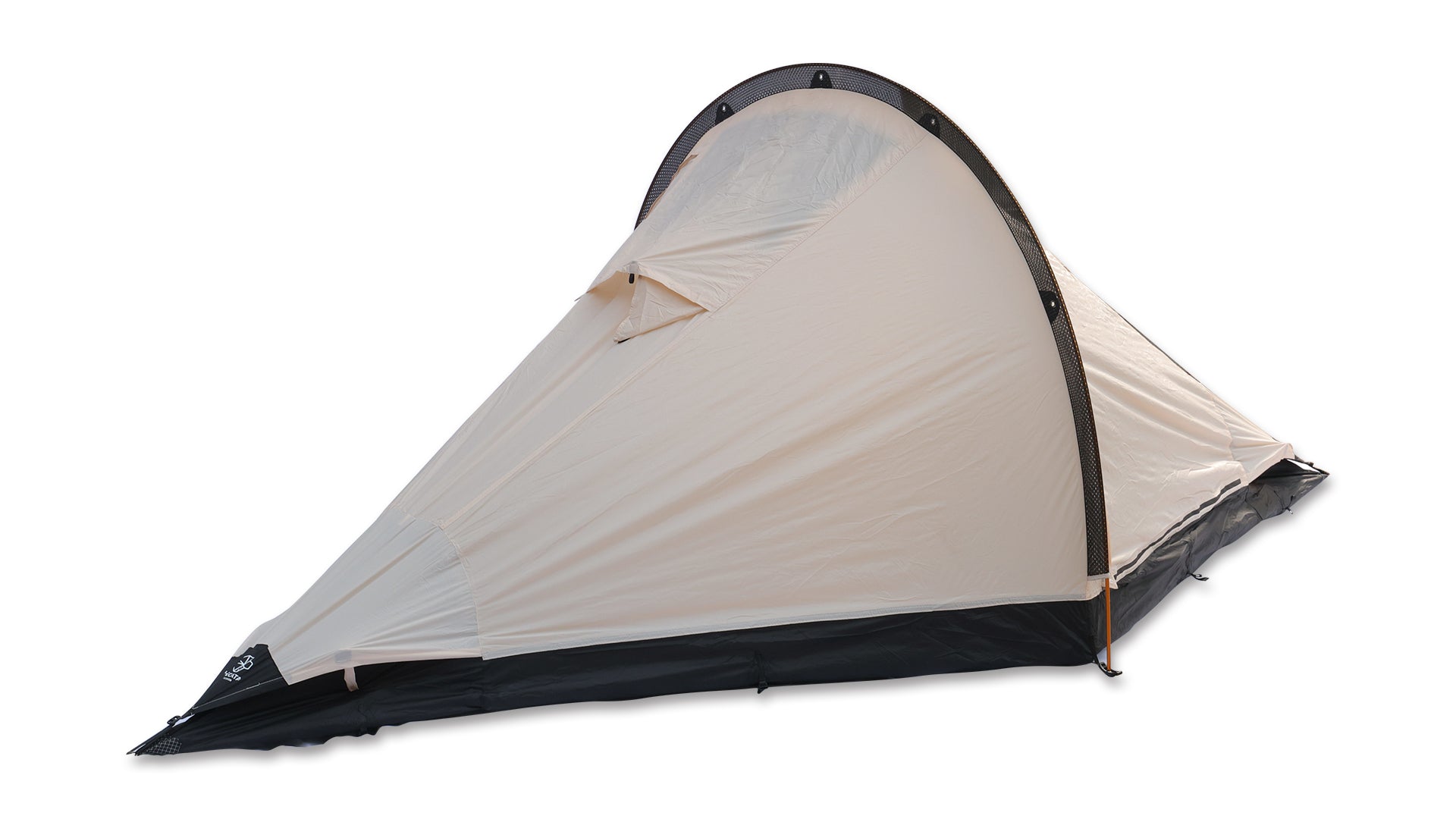
Formal campsite with pitches and electric: pick comfort—bigger inner tents with porches, roomy vestibules and solid pegs. Wild camps and beaches: prioritise quick pitch, low-profile designs, and sand/rock anchoring. Woodland or boggy ground: use raised floors or groundsheet plus robust guying points. Coastal spots need corrosion-resistant fittings and more guy lines; inland moors demand breathability and a solid seam seal to fend off driving rain.
What to look for in the kit
Check measured fit, not marketing claims. Measure tailgate height, door clearances and roof rails before you buy. Look for reinforced attachment points, a sewn-in or well-sealed groundsheet on porches, decent zips you can repair, and materials that match your camping cadence—lightweight for frequent moves, heavy-duty for long stays. If you plan cookery under cover, pick a porch with a carbon-fibre or steel pole option and vents for smoke.
Real-world testing and expert notes
I’ve slept under verge winds on Dartmoor and rigged porches on claggy Exmoor mornings; those weekends teach what spec sheets don’t. On one blustery trial I took a camping tent with front porch and learned where manufacturers cut corners—weak webbing and tiny guy points fail first. That experience informs the short checks here: test every attachment before you leave home, tape or seal the seams if you’ll be in rain, and carry spare pegs for hard ground. I’ve recommended these same practical fixes for years to mates and paying clients, so they’re field-proven, not theorised.
Common mistakes to dodge
Don’t assume “fits most cars” means it fits yours. Skimping on measurements wrecks a weekend. Avoid buying a big porch without checking ventilators—condensation will ruin kit and temper. Don’t over-rely on pop-up convenience for long trips: pop-ups are great for one-nighters but lack repairability. And never forget wind direction—pitched wrong, even a robust porch becomes a sail.
Alternatives worth considering
If you want speed, compact rooftop tents or quick-pitch pop-ups are solid. For space and modularity, drive-away awnings let you detach the vehicle and keep living space. If budget’s tight, a layered approach works—cheap inner tent plus a separate durable porch you attach only on longer stays. Test-fit alternatives in your driveway with full gear before committing.
Putting it together
Decide by vehicle, campsite and how you camp. Measure, mimic a proper pitch at home, and favour reinforced attachment, vents and a sensible porch depth over flash extras. The right porch or annex turns a car camp into a proper shelter for cooking, stashing and drying out. For sensible, tested combinations that match vehicle types to campsite realities, I trust the selection and practical tweaks you’ll find at THECATAL when you want gear that’s been sorted for real conditions and kept simple enough to use straight away.