
Introduction: A Simple Question with a Big Cost
Ever notice how some clinics treat red light devices like gold while others stash them in a back room and call it a day?
When I walk into a clinic or talk to a procurement team, they often point to the brand — and to the red light therapy manufacturer — as the deciding factor (trust me, I hear this all the time). Industry notes and buyer surveys suggest buyers value uptime and consistent output more than flashy features. So why do outcomes still vary so wildly from one studio to the next?
I’ll be blunt: the setup matters. The scene is familiar — a treatment room, a hopeful patient, and gear that looks great but doesn’t deliver consistent irradiance. That gap between promise and reality is where real losses happen — patient trust, repeat bookings, and staff morale. Let’s dig into what’s really going wrong and how to spot it, without the vendor gloss. — ready to get practical?
 Where the Usual Fixes Fall Short
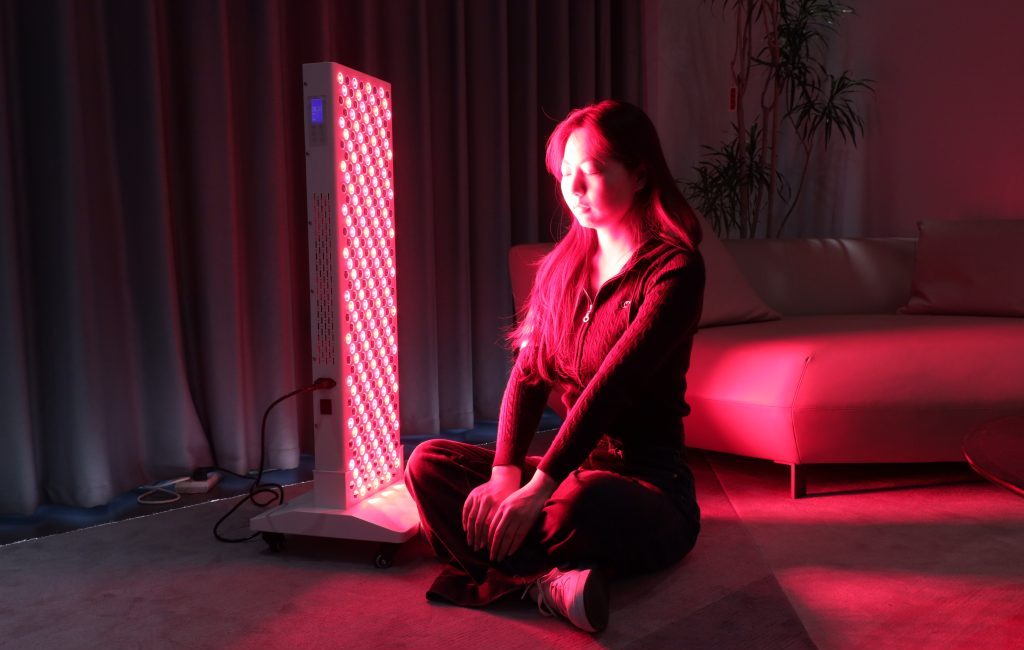
red light therapy bed manufacture is often cited as the solution when clinics want to move from consumer gear to pro-level rigs. But buying a bed is only the start. I’ll get technical here: many suppliers focus on LED arrays that look dense on spec sheets but don’t manage heat, power, or beam uniformity well. The result is uneven wavelength delivery across the surface. Patients feel some spots warmly energized and others barely anything — frustrating for staff and confusing for clients.
Look, it’s simpler than you think. Two big faults keep showing up. First, electrical design: cheap power converters and poor thermal management shorten LED life and shift spectral output over time. Second, optical design: bad lensing and uneven spacing create hotspots and cold zones. Those issues change irradiance and effective dose, which is everything in photobiomodulation therapy. In short: a pretty bed with poor engineering will not give repeatable results. If your vendor can’t explain their thermal path, beam uniformity strategy, and how they test wavelength stability, walk away — I’m serious. (— funny how that works, right?)
What’s the core question?
How will the manufacturer guarantee consistent dose across sessions and over months?
Looking Ahead: Practical Tech, Metrics, and Choices
Thinking forward, I prefer a practical lens. When clinics ask me about upgrades or switching suppliers, I steer them toward partners who treat the bed as a systems problem. That means modular electronics, verified LED arrays, solid thermal management, and clear maintenance plans. Again, red light therapy bed manufacture isn’t just a label — it should signal an engineering mindset. You want hardware designed around stable wavelength output and repeatable irradiance, not marketing photos.
Here’s how I evaluate a supplier, in plain terms: check test data, ask for lifetime curves on LEDs, and insist on real-world beam-mapping reports. Also — and this matters — ask about serviceability. If a controller or power converter fails, how fast can you get a swap? If the optics yellow, can you replace them without replacing the whole bed? These practical details keep treatment programs running and save you headaches down the road.
What to measure before you buy
I don’t believe in vague promises. Instead, use three clear metrics when comparing options:
1) Output consistency: measured irradiance across the treatment surface and how it holds after 1,000+ hours. 2) Spectral accuracy: the actual wavelength profile and how it changes with temperature. 3) Serviceability & parts: lead times for controllers, availability of replacement LED arrays, and transparency on warranty repair steps. If a vendor can’t provide these, they’re selling hope, not reliability.
Put another way: treat the purchase like you would any serious tool. Demand numbers. Ask for test logs. And remember — patient outcomes hinge on repeatability, not just one impressive demo. I’ve seen clinics upgrade and watch bookings climb because treatments suddenly matched expectations. Small engineering choices lead to big gains — measurable, repeatable, satisfying. — it’s real.
If you want a trustworthy source that focuses on those engineering details, check out Magique Power. I trust partners who speak plain English and back it with data. So do I. We’ll keep asking the right questions; your patients will thank you for it.